Research and Report Consultancy

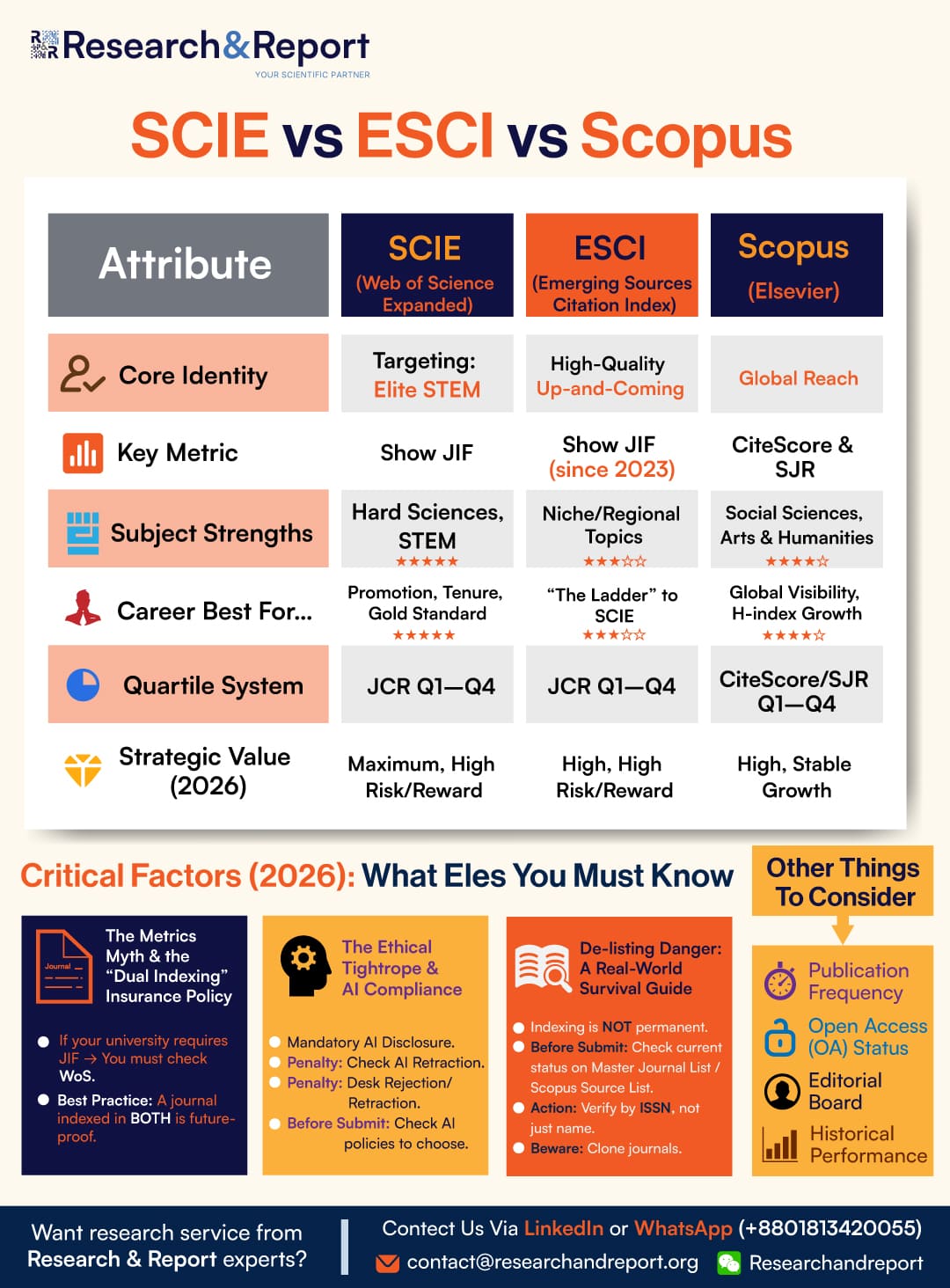
SCIE vs ESCI vs Scopus: Which Will Shape Your Academic Future?

SCIE-vs-ESCI-vs-Scopus

Why Indexing Matters More Than Ever Academic publishing is evolving fast. Indexing is no longer static. It shifts constantly. Many researchers assume acceptance equals success. That assumption is flawed.Where you publish matters as much as what you publish. Your promotion, funding, and recognition often depend on indexing databases like: Let’s break this down strategically. Understanding … Read more

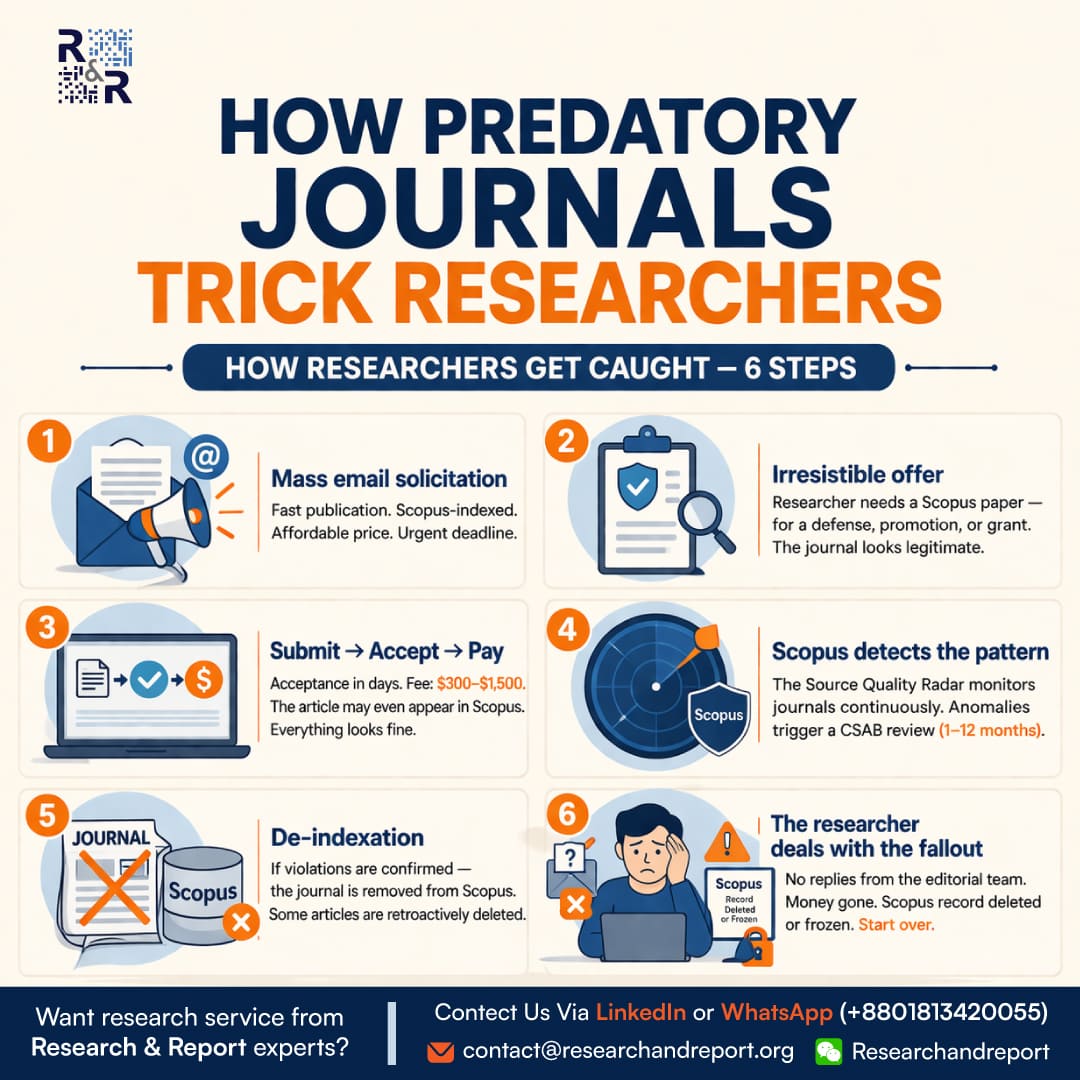
How Predatory Journals Trick Researchers: Guide to Avoid the Trap

How-predatory-journals-trick-researchers

Predatory publishing is a growing threat in academic research. It impacts both early-career and experienced researchers. These journals use deceptive tactics to attract submissions. They exploit urgency, especially when researchers face deadlines for promotions, grants, or thesis defense. The danger is real. Many researchers lose money, credibility, and their publication records. How Predatory Journals Operate … Read more

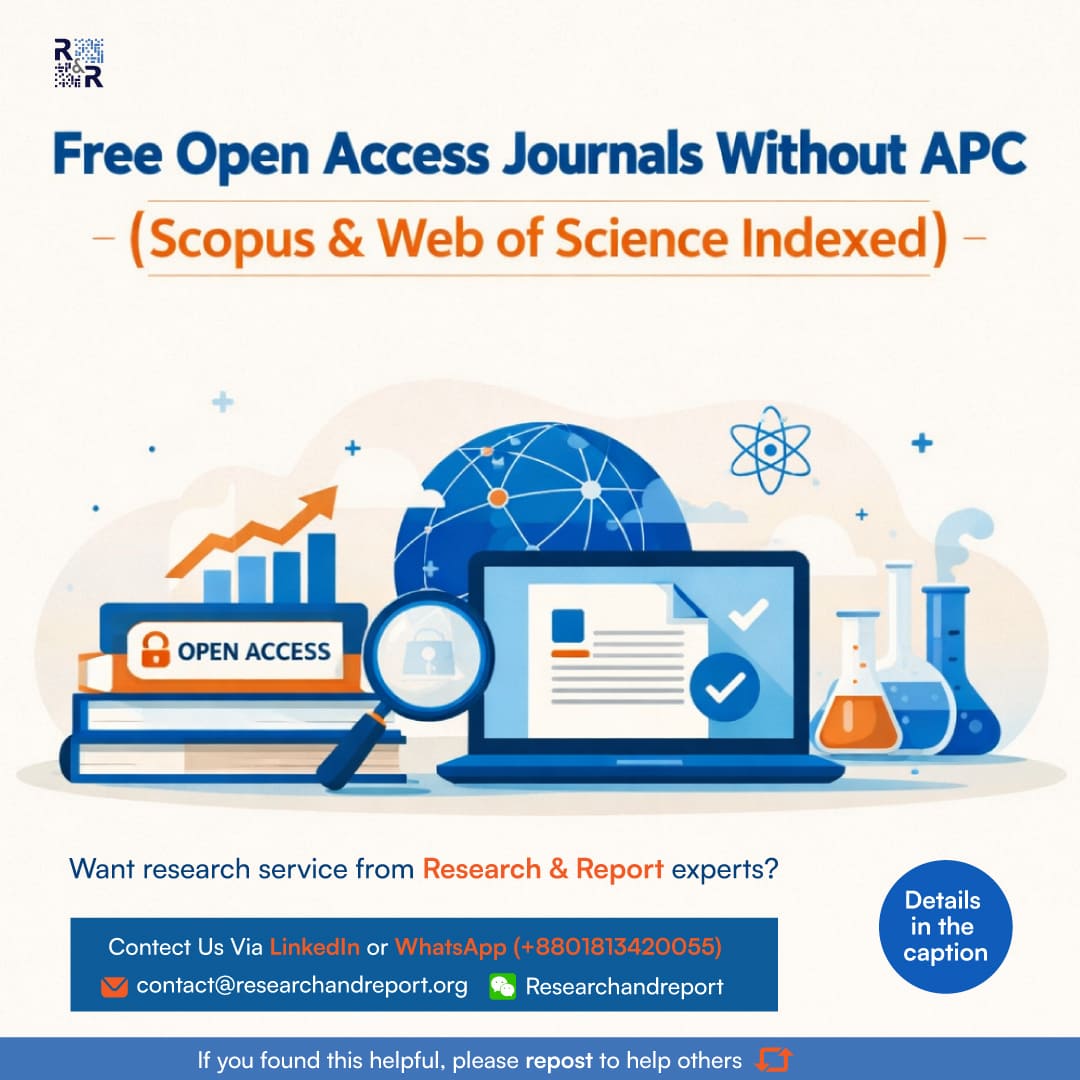
Free Open Access Journals Without APC (Scopus & Web of Science Indexed)

Free Open Access Journals Without APC (Scopus & Web of Science Indexed)

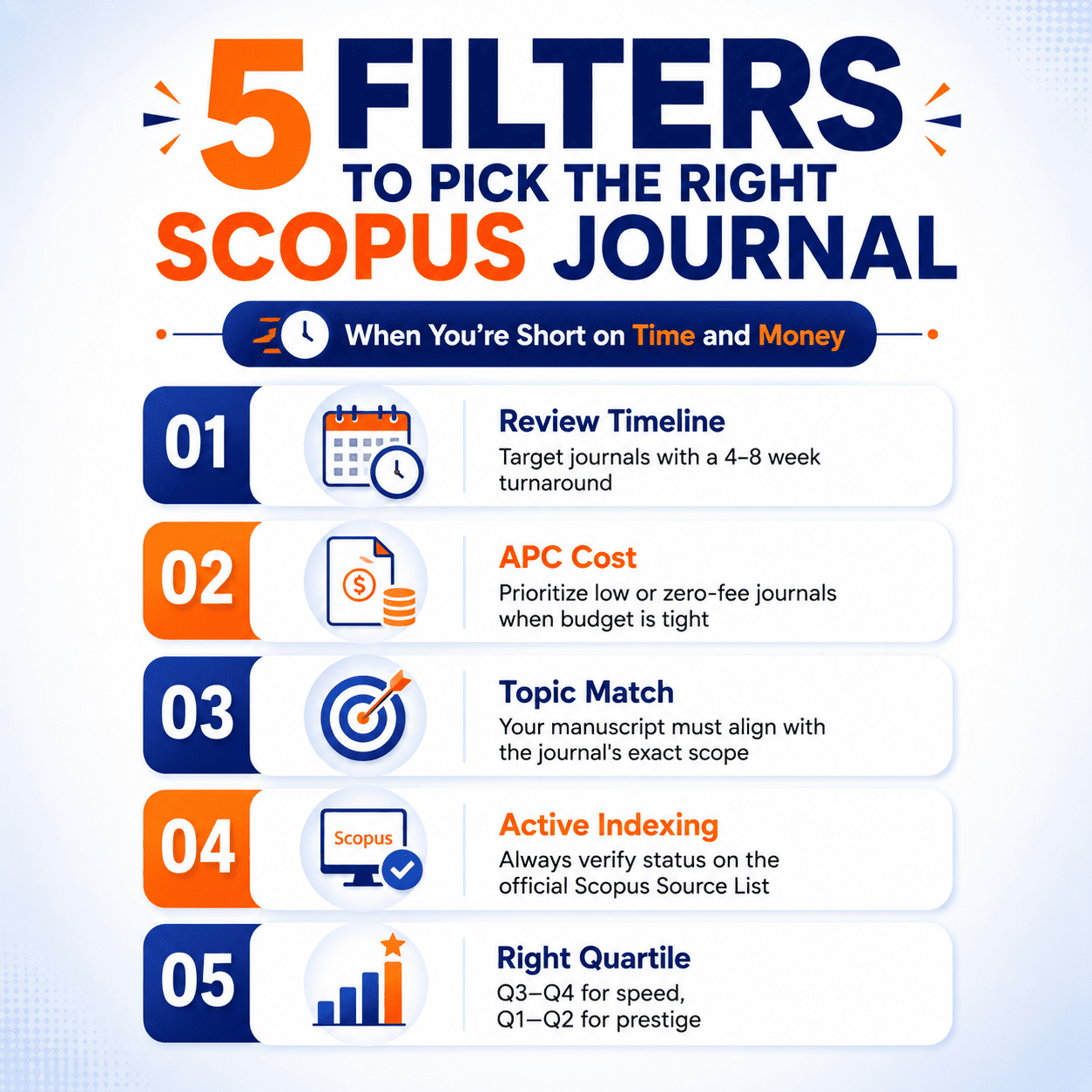
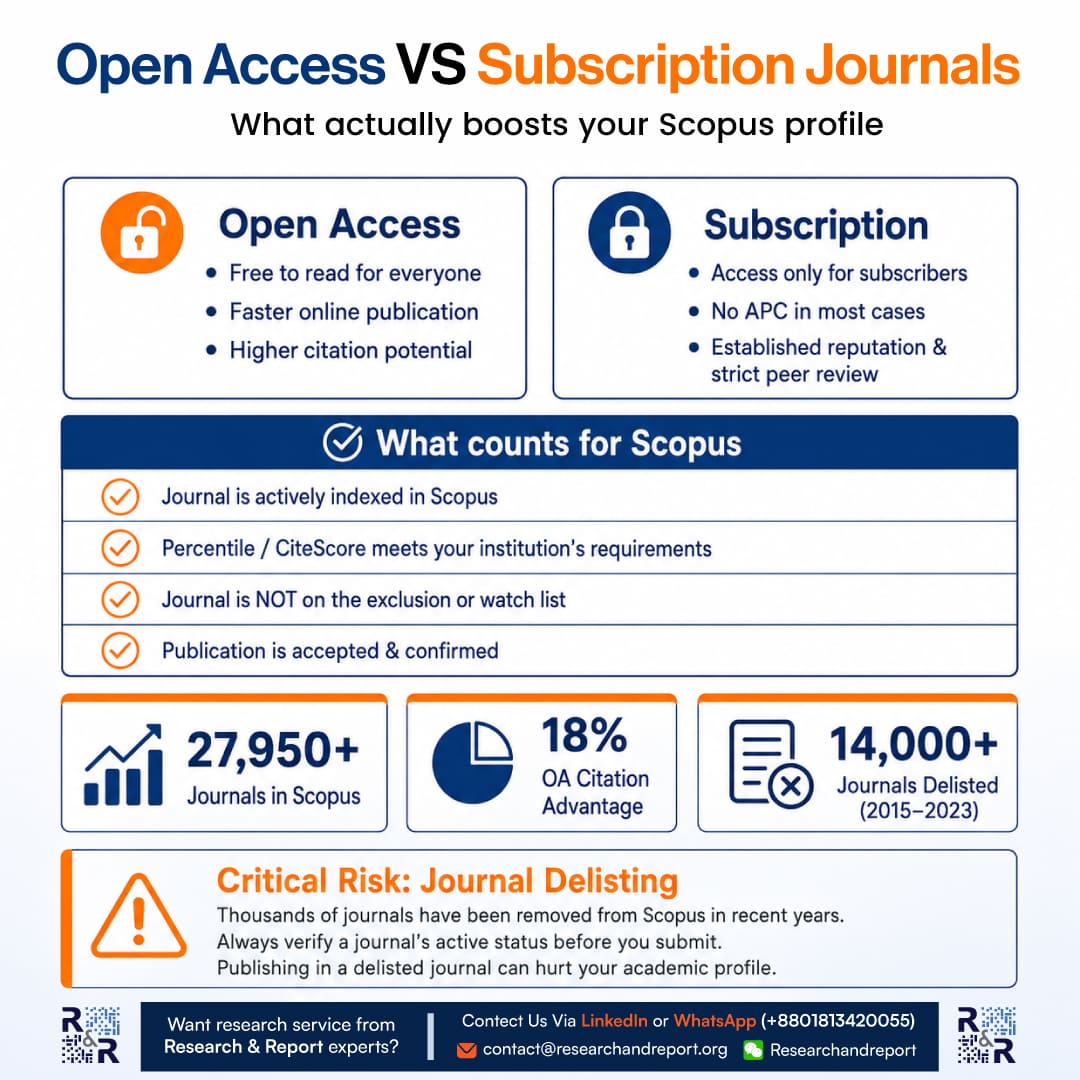
Many researchers struggle to publish due to high Article Processing Charges (APC). However, several Open Access journals indexed in Scopus and Web of Science do not charge APC fees. These journals allow researchers to publish high-quality studies without financial barriers. Access to curated journal lists can help scholars identify credible no-APC publishing opportunities across different … Read more

SEO for Research Titles: How to Increase Visibility and Citations

Academic SEO (ASEO)

Academic publishing has changed dramatically in the digital era. Researchers now discover papers primarily through search engines and academic databases. Platforms such as Google Scholar, Scopus, and institutional repositories depend heavily on keyword matching. This shift created a new concept called Academic SEO (ASEO). ASEO applies search optimization strategies to scholarly content. The goal is … Read more

Latest INSPEC Journal List – February 2026 Update

Latest INSPEC Journal List – February 2026 Update

Latest INSPEC Journal List – February 2026 Update The February 2026 INSPEC Journal List has been officially released. This update is critical for researchers targeting high-quality, indexed journals. INSPEC is a trusted bibliographic database for engineering and technology research. It supports precise journal selection and publication planning. Researchers should always validate indexing status before submission. … Read more

Ignoring Journal Guidelines Leads to Desk Rejection

Ignoring Journal Guidelines Leads to Desk Rejection

Why Desk Rejections Happen So Fast Desk rejection is an editorial screening decision. It happens before peer review. Editors ask one core question first:Can this manuscript be reviewed efficiently and ethically? Journal guidelines act as a risk filter. They signal whether authors can follow instructions, respect standards, and reduce editorial burden. Multiple editorial studies confirm … Read more

Publication Pressure Breeds Risky Salami-Slicing

Publication Pressure Breeds Risky Salami-Slicing

Academic publishing is competitive. Researchers feel pressure to produce frequent outputs to secure promotions, funding, and prestige. This pressure often drives a risky shortcut known as salami-slicing—splitting one meaningful study into several “minimum publishable units.” It may appear productive, but journals increasingly see it as redundant publication and questionable ethics. The consequences are far greater … Read more

Ethical Risks of Using Public Secondary Data

Ethical Risks of Using Public Secondary Data

Many researchers assume public secondary datasets are automatically “safe” because they did not collect the data themselves. Journal reviewers, ethics boards, and leading publishers now disagree. Ethical blind spots in secondary data use increasingly trigger desk rejections, major revision demands, compliance investigations, and reputational damage. This guide explains the most overlooked ethical risks, why they … Read more

Research Without Dissemination Is Wasted

Research-without-dissemination-is-wasted

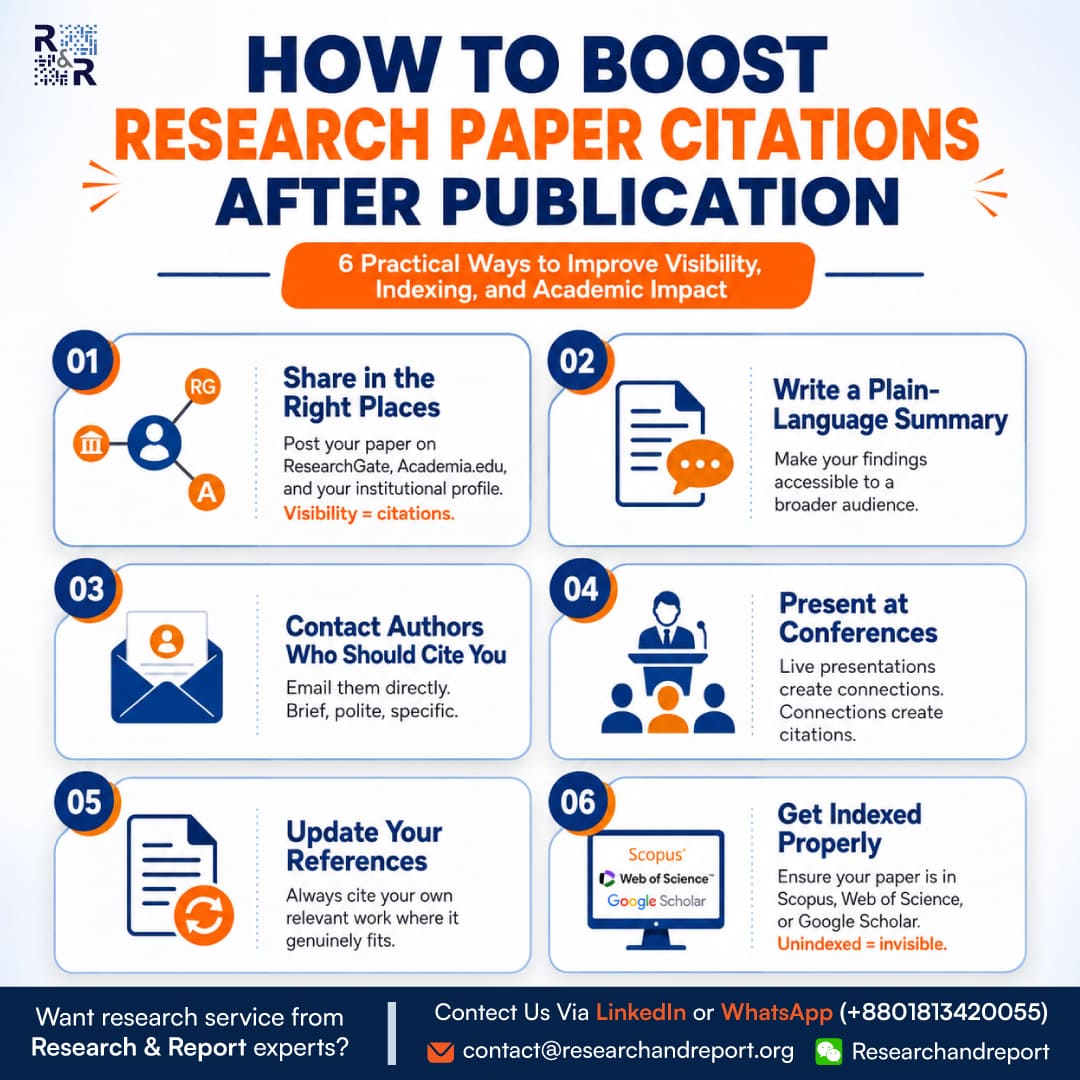
A DOI is not impact. Publishing a paper does not ensure it reaches policymakers, practitioners, industry leaders, or affected communities. Without intentional dissemination, research becomes static—discoverable to a tiny group of academics and invisible to the people who need it most. The global research ecosystem now produces over 2.5 million papers annually, yet evidence use … Read more

Why Your Research Method Must Fit Your Worldview

Why Your Research Method Must Fit Your Worldview

Most rejected manuscripts fail not because the study is “weak,” but because the claims are not licensed by the paradigm the author claims to use. Reviewers today are trained to identify mismatch between a researcher’s worldview and their methodological choices. A research paradigm combines four elements: If these elements do not logically align, your findings … Read more